
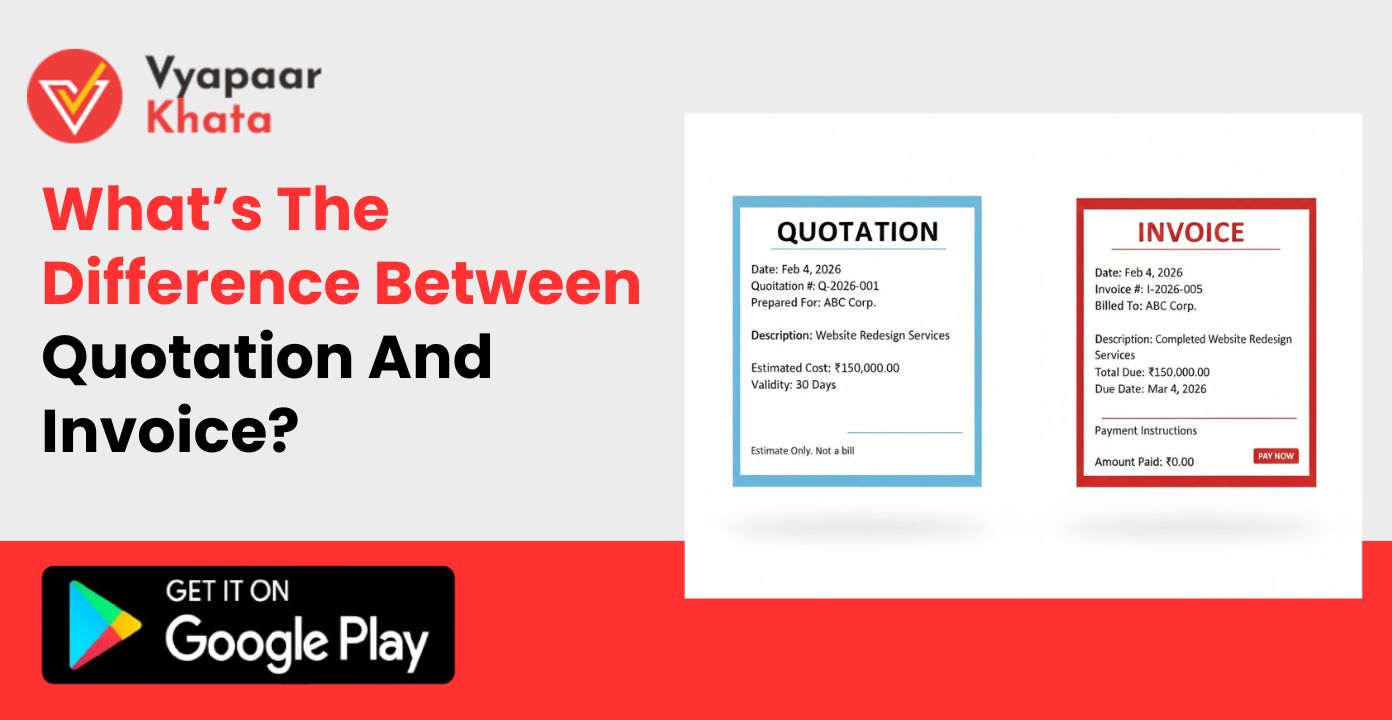
In the modern business world, managing financial transactions efficiently is essential. For businesses of all sizes, especially MSMEs and SMEs, quotations and invoices are the backbone of transactional documentation. While these terms are often used interchangeably, they serve distinct purposes in business operations. Misunderstanding their roles can lead to delayed payments, poor client communication, and accounting errors.
This guide will break down the differences, uses, and best practices for quotations and invoices, and show how VyapaarKHATA can streamline the process for Indian businesses.
What is a Quotation?
A quotation, or quote, is a document issued by a seller to a potential buyer before a sale is finalized. It acts as a formal offer, detailing the products or services along with their pricing.
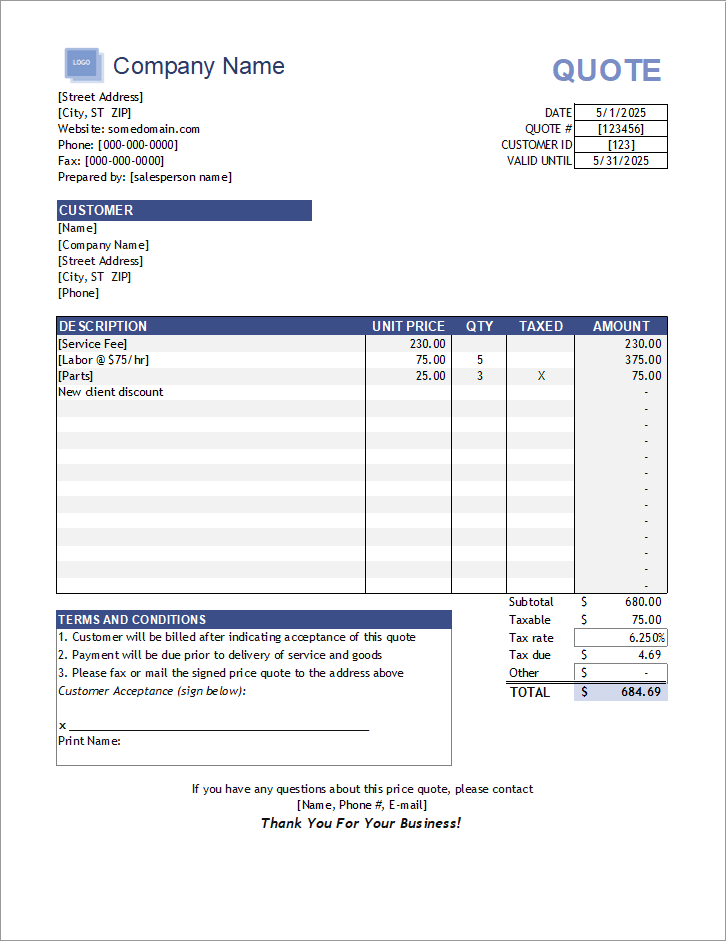
Key Components of a Quotation:
- Product/Service Description – Details of what is being offered
- Quantity – Number of items or hours of service
- Price – Unit price and total cost
- Taxes – Applicable GST or other taxes (if any)
- Validity Period – Timeframe for which the quote is valid
- Terms and Conditions – Payment terms, delivery timelines, or service warranties
Purpose of a Quotation:
- Provides clarity to the buyer
- Helps clients compare prices with other vendors
- Initiates a professional business communication
- Can serve as a negotiation tool
Example: Imagine a business providing office furniture. A quotation may state that 10 office chairs cost Rs 5,000 each, with a total of Rs 50,000 plus applicable taxes, valid for 15 days. The buyer can then approve, reject, or negotiate before placing an order.
What is an Invoice?
An invoice is issued after a sale has been confirmed. It is a formal request for payment and serves as an official financial record.
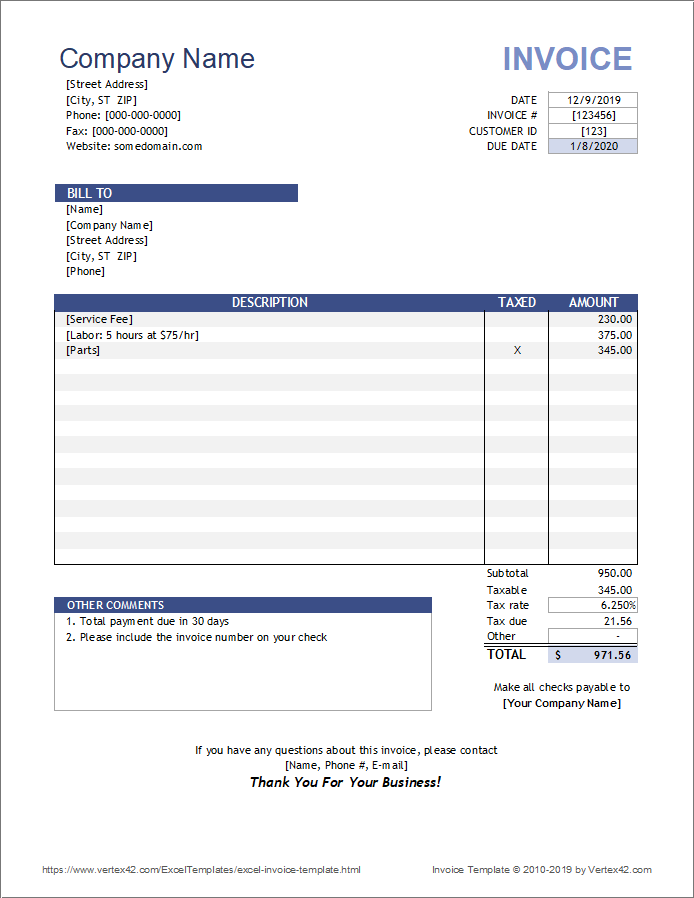
Key Components of an Invoice:
- Invoice Number – Unique identifier for tracking
- Date of Issue – When the invoice was generated
- Buyer and Seller Details – Names, addresses, and GST numbers
- Itemized List of Products/Services – Quantity, rate, and total cost
- Taxes Applied – GST, other applicable taxes
- Total Amount Due – Including taxes and discounts
- Payment Terms – Due date, bank details, or payment instructions
Purpose of an Invoice:
- Serves as a legal document for taxation and accounting
- Ensures the seller gets paid
- Tracks business revenue and expenses
- Acts as proof in case of disputes
Example:
Continuing with the office furniture example, after the buyer confirms the order of 10 chairs, the seller generates an invoice stating the total payable amount, tax breakdown, payment due date, and accepted payment modes.
Quotation vs Invoice: Detailed Comparison
| Feature | Quotation | Invoice |
|---|---|---|
| Purpose | Propose a price | Request payment |
| Timing | Before sale | After sale |
| Payment | Not requested | Payment requested |
| Negotiability | Yes | Usually no |
| Legal Significance | Low | High (tax & accounting) |
| Validity | Limited period | Until payment is made |
| Role in Accounting | Optional reference | Mandatory for books and GST compliance |
| Delivery | Optional | Required after sale confirmation |
Why Understanding the Difference Matters
- Avoid Miscommunication: Clients know what they’re paying for, and businesses know what to charge.
- Ensure Timely Payment: Invoices clearly indicate due dates and payment instructions.
- Professionalism: Sending accurate quotations and invoices builds credibility.
- Accounting & Compliance: Proper documentation ensures smooth GST filing and financial audits.
Challenges Businesses Face Without Proper Tools
- Manual creation of quotations and invoices is time-consuming
- Risk of errors in pricing or taxes
- Difficulty in tracking unpaid invoices
- Poor inventory and expense management
- Lack of digital records leading to missed GST compliance
How VyapaarKHATA Simplifies Quotation and Invoice Management
For Indian MSMEs and SMEs, managing invoices, quotations, and accounting digitally can be a game-changer. VyapaarKHATA is a simple, powerful solution designed to tackle these challenges efficiently.
Features of VyapaarKHATA:
- Create GST & Non-GST Invoices and Bills:
Generate professional invoices for all types of transactions, ensuring compliance. - Quotation Management:
Send quotes to potential clients via email or WhatsApp, track approvals, and convert quotes to invoices instantly. - Customer Management:
Maintain detailed customer contacts, track interactions, and monitor outstanding payments. - Inventory & Purchase Management:
Manage stock levels, purchase orders, and supplier details directly from the app. - Expense Tracking:
Keep all business expenses recorded for accounting and tax purposes. - Cross-Platform Accessibility:
Available on Web and Android App, allowing businesses to operate on-the-go. - Time & Energy Efficiency:
Reduces manual paperwork, enabling businesses to focus on growth rather than administrative tasks.
Why Indian SMEs Prefer VyapaarKHATA
India has over 63 million MSMEs, each needing a practical and affordable solution to streamline operations. VyapaarKHATA caters to this market by providing:
- Affordable Pricing: Suited for small businesses
- User-Friendly Interface: Minimal learning curve, easy adoption
- End-to-End Solutions: From quotations to invoices, purchases, and expenses
- Digital Record-Keeping: Ensures GST compliance and reduces errors
By leveraging VyapaarKHATA, businesses save hours of administrative work, reduce errors, and maintain professionalism in every transaction.
Best Practices for Using Quotations and Invoices
- Always include clear terms and conditions
- Set expiry dates for quotations to avoid confusion
- Use unique invoice numbers for easy tracking
- Automate reminders for unpaid invoices
- Keep digital records for GST audits and accounting purposes
Understanding the difference between a quotation and an invoice is essential for every business. A quotation initiates a sale, while an invoice ensures payment after confirmation.
With VyapaarKHATA, SMEs and MSMEs can handle both processes effortlessly, save time, and maintain accurate records. The app’s multiple features—from invoicing to expense management—simplify business operations, making it one of the most practical and affordable invoicing solutions for Indian businesses.