
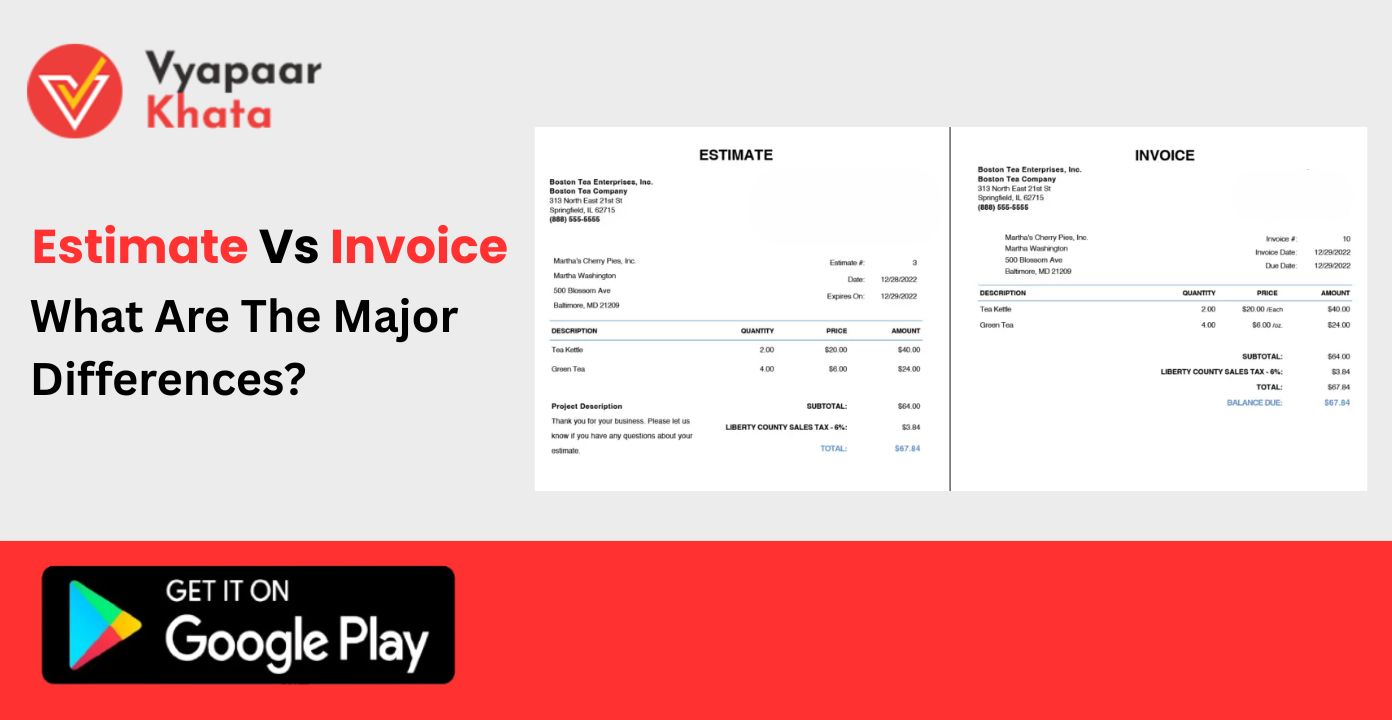
In the world of business, accounting, and client management, terms like “estimate” and “invoice” are used frequently. While they may seem similar at first glance, they serve very different purposes. Understanding the differences between an estimate and an invoice is crucial for smooth financial operations, transparent client communication, and effective bookkeeping.
In this article, we will explore what estimates and invoices are, how they differ, and why each plays a vital role in business transactions.
What is an Estimate?
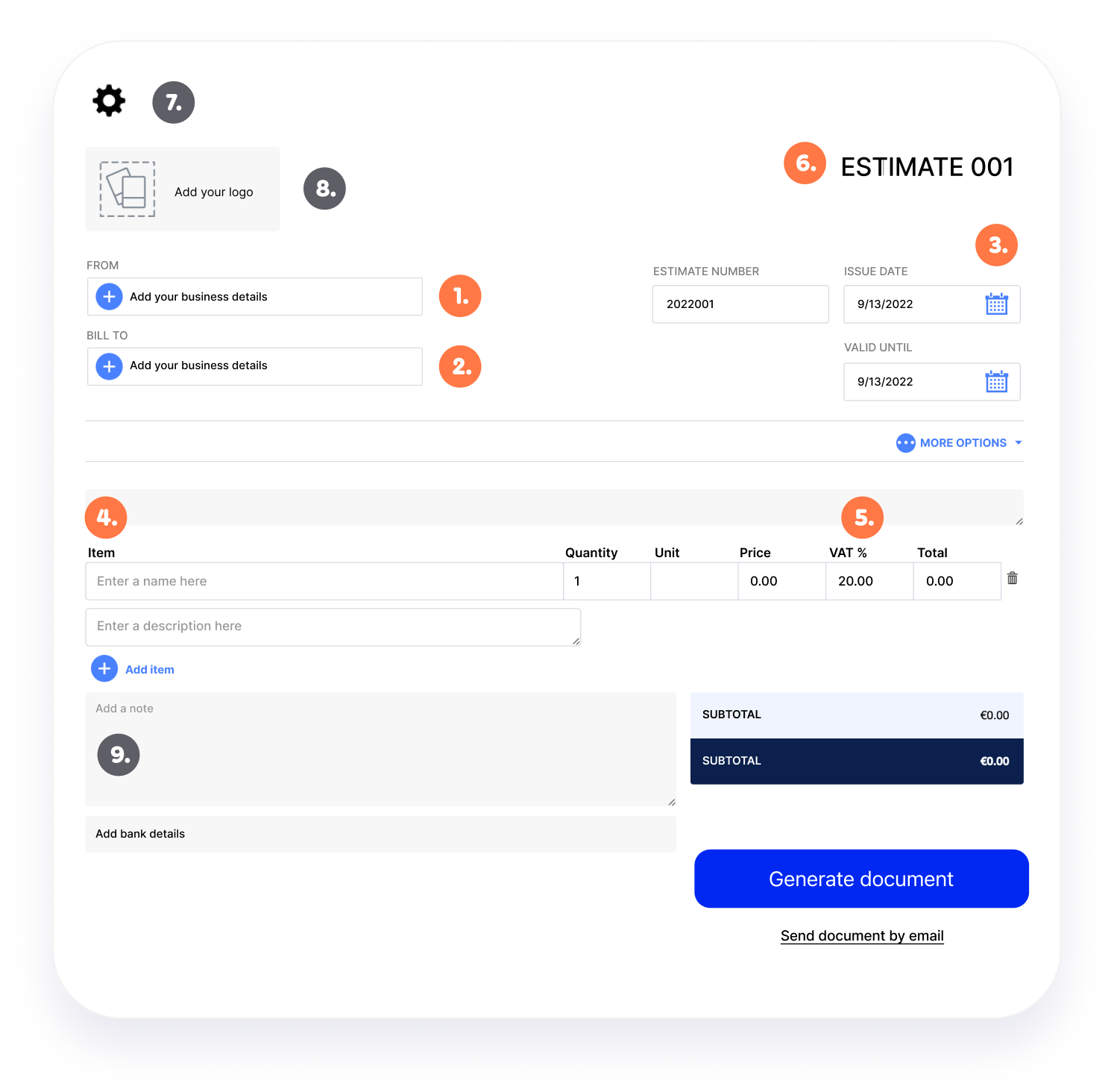
An estimate is a preliminary document provided by a business or service provider to a client, outlining the expected cost of goods or services before any work begins. It is essentially a forecast, giving the client an idea of the potential financial commitment.
Key Features of an Estimate:
- Non-binding: An estimate is not a legal demand for payment. It is an approximation, meaning the final cost may change based on actual work or additional requirements.
- Purpose: Helps clients make informed decisions before agreeing to a project or service.
- Content: Usually includes:
- Description of the service or product
- Estimated cost
- Timeframe for completion
- Terms and conditions
- Flexibility: Since it’s an approximation, estimates can often be revised after discussions with the client.
Example: A construction company provides a client with an estimate of $5,000 for renovating a kitchen. The final invoice may differ depending on material costs, additional work requested, or unforeseen issues during renovation.
What is an Invoice?
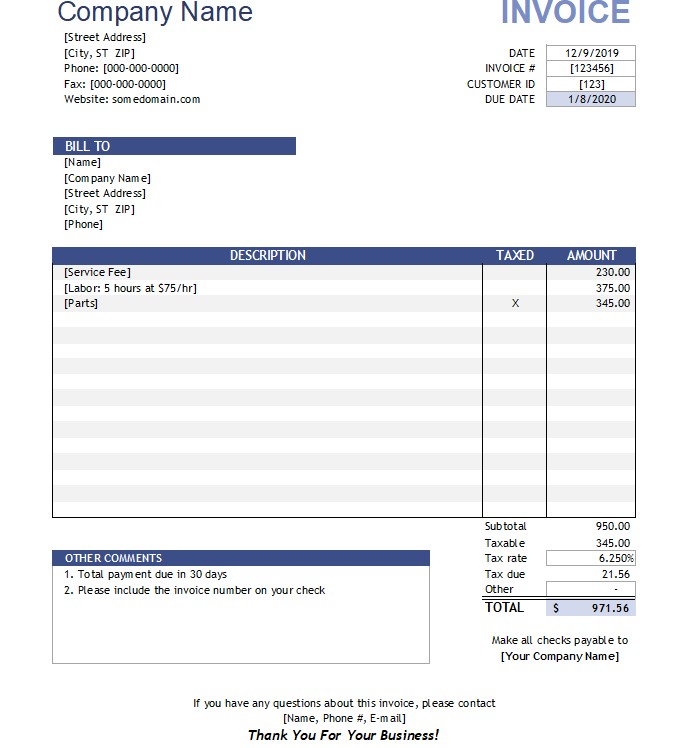
An invoice is a formal request for payment issued after goods or services have been delivered. It acts as a legal document that not only demands payment but also serves as an official record for accounting purposes.
Key Features of an Invoice:
- Binding Document: Unlike an estimate, an invoice is a demand for payment and must be settled by the client as per agreed terms.
- Purpose: Ensures timely payment, maintains transparency, and provides a record for accounting and taxation purposes.
- Content: Typically includes:
- Invoice number
- Date of issue
- Name and contact information of seller and client
- Detailed description of products/services
- Quantity, price, and total amount
- Payment terms (e.g., due date, late fees)
- Taxes, if applicable
- Official Record: Invoices are often required for bookkeeping, audits, and filing tax returns.
Example: After completing the kitchen renovation, the construction company sends an invoice of $5,200 to the client, including additional costs for premium materials used. The client is expected to pay within 30 days of receiving the invoice.
Major Differences Between Estimate and Invoice
| Feature | Estimate | Invoice |
|---|---|---|
| Definition | A preliminary cost projection before service or product delivery | A formal request for payment after service or product delivery |
| Purpose | Helps clients understand potential costs | Requests payment and serves as a legal record |
| Binding Status | Non-binding; subject to change | Binding; must be paid according to terms |
| Timing | Issued before starting a project | Issued after completing the project or delivering goods |
| Details Included | Estimated costs, project scope, timeline | Actual costs, payment terms, taxes, invoice number |
| Flexibility | Can be revised | Cannot be arbitrarily changed after issuance |
| Legal & Accounting Use | Not used for tax or accounting purposes | Used as an official record for accounting and taxes |
| Client Expectation | Gives a rough idea of expenses | Requires payment by the client |
Why Both Are Important in Business
1. Estimates Build Trust
Providing estimates helps clients plan their budgets and sets clear expectations. Transparent estimates demonstrate professionalism and honesty, which can improve client relationships and reduce disputes.
2. Invoices Ensure Timely Payment
Invoices formalize the payment process. They provide a clear record of transactions, help track outstanding payments, and are crucial for bookkeeping and taxation compliance.
3. Reduces Miscommunication
Having both documents ensures clarity. Clients know what to expect before a project begins (estimate) and what exactly they owe after completion (invoice).
4. Legal and Financial Protection
- Estimates protect businesses from underquoting and help manage client expectations.
- Invoices protect businesses legally by providing proof of services rendered or goods delivered.
Best Practices for Using Estimates and Invoices
For Estimates:
- Always clarify that it is an estimate, not a final bill.
- Include a clear scope of work.
- Set an expiration date for the estimate.
- Be transparent about potential additional costs.
For Invoices:
- Include all essential details: invoice number, date, client info, and payment terms.
- Ensure accuracy in quantities, rates, and totals.
- Include taxes, shipping, or additional charges explicitly.
- Send invoices promptly after service delivery.
While estimates and invoices may seem similar, they serve distinct purposes in business operations. Estimates are all about forecasting and setting expectations, whereas invoices are about payment collection and record-keeping.
Understanding the differences between them ensures clear communication, legal protection, and financial accuracy. For businesses of all sizes, mastering the use of both documents is a step toward professional and smooth operations.
FAQs About Estimates vs Invoices
Q1. Can an estimate become an invoice?
Yes, once the client approves the estimate and the work is completed, it can form the basis of the invoice.
Q2. Is an estimate legally binding?
No, estimates are non-binding and subject to change.
Q3. Should taxes be included in estimates?
Optional, but it’s good practice to mention if taxes are included or will be extra.
Q4. How soon should I send an invoice after completing work?
Typically within 24–48 hours to ensure timely payment.
Q5. Can invoices differ from estimates?
Yes, the final invoice may vary due to additional work, material costs, or client requests.