
In the fast-paced business world, managing finances efficiently is no longer optional—it is essential. One critical aspect of financial management is handling vendor invoices, which can be a tedious, time-consuming process if done manually. This is where Vendor Invoice Management (VIM) comes into play. It is a strategic approach that streamlines the entire invoice processing cycle, reduces errors, and enhances overall efficiency in accounts payable operations.
Whether you are a small business owner or part of a large enterprise, understanding the vendor invoice management process and its benefits is crucial for improving cash flow, supplier relationships, and operational productivity. In this blog, we will explore the complete VIM process, its key steps, benefits, challenges, and how technology is revolutionizing this essential business function.
VyaaparKhata is a simple and user-friendly billing, invoicing, and bookkeeping app designed for small and medium businesses. It helps business owners digitally manage invoices, sales, expenses, and customer records without needing advanced accounting knowledge.
Key Features
- Invoice Generation: Create GST-compliant and non-GST invoices quickly.
- Sales & Billing Tracking: Monitor payments, outstanding invoices, and cash flow.
- Customer & Contact Management: Maintain organized customer and supplier records.
- Expense & Purchase Tracking: Record purchases, expenses, and inventory easily.
- Payment Reminders: Send automated reminders to customers for timely payments.
- Reports & Insights: Generate simple reports for sales, profits, and expenses.
- Backup & Multi-Language Support: Keep data safe and use the app in local languages
What Is Vendor Invoice Management (VIM)?
Vendor Invoice Management (VIM) is the systematic process of receiving, validating, approving, and recording invoices from suppliers or vendors for goods and services provided. It ensures that businesses pay the right amount, at the right time, and maintain proper documentation for accounting and compliance purposes.
Traditionally, invoice processing was manual, involving paper-based invoices, approvals through multiple departments, and significant human effort. Manual processes are prone to errors, delays, and increased operational costs. VIM, especially when automated, helps organizations streamline accounts payable workflows, reduce processing time, and maintain an accurate audit trail.
Key Steps in the Vendor Invoice Management Process
Understanding the vendor invoice management process steps is essential for businesses to ensure seamless operations. Below are the typical steps involved:
1. Invoice Receipt
The process begins when a vendor submits an invoice. Businesses may receive invoices in various formats:
- Paper Invoices: Traditional method, physically received and manually entered into the system.
- Electronic Invoices (E-invoices): Submitted via email or directly through integrated ERP systems.
Automating invoice receipt using OCR (Optical Character Recognition) technology allows extraction of invoice data directly from scanned documents, minimizing manual entry errors.
2. Invoice Validation
After receipt, the invoice must be verified against purchase orders and delivery receipts. This ensures that:
- The vendor is legitimate.
- The goods or services were delivered as agreed.
- Invoice details (amount, quantity, tax) are accurate.
Invoice validation is critical to avoid duplicate payments and discrepancies. Automated systems can flag mismatches instantly, ensuring accuracy and compliance.
3. Approval Workflow
Invoices must be approved before payment. Businesses often require multi-level approvals depending on:
- Invoice amount
- Department
- Type of goods or services
A well-defined approval workflow ensures accountability and reduces the risk of unauthorized payments. Automated VIM systems provide digital workflows, eliminating the need for manual routing and approval delays.
4. Payment Processing
Once approved, invoices are scheduled for payment. Payment methods may include:
- Bank transfers
- Cheques
- Online payment gateways
Timely payments help maintain strong relationships with vendors and avoid late payment penalties. Automation in payment processing ensures accuracy, timely execution, and real-time tracking.
5. Record Keeping and Reporting
Finally, the processed invoices are archived for audit and compliance purposes. Maintaining digital records helps businesses:
- Track payments and outstanding invoices
- Generate reports for accounting and financial analysis
- Ensure compliance with tax and legal requirements
Proper record-keeping also provides data-driven insights for better financial planning and vendor management.
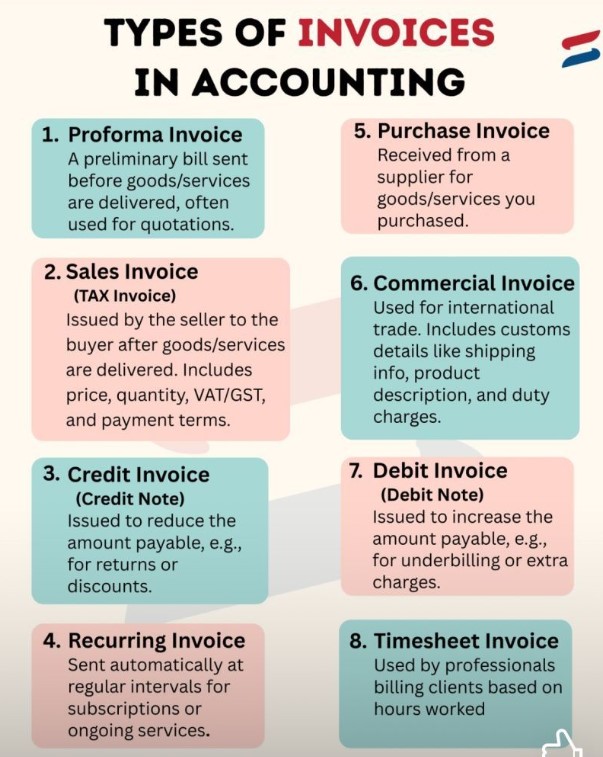
Types of Vendor Invoices
Understanding the types of invoices helps tailor the VIM process effectively:
- Paper Invoices: Traditional physical invoices requiring manual processing.
- Electronic Invoices (E-invoices): Digital invoices submitted via email or ERP systems.
- Recurring Invoices: Regularly generated invoices for subscription services or ongoing contracts.
- One-time Invoices: Single invoices for ad-hoc purchases.
Businesses are increasingly adopting digital invoice management systems to handle all invoice types efficiently.
Benefits of Vendor Invoice Management
Implementing a structured vendor invoice management process brings numerous advantages:
1. Faster Invoice Processing
Manual invoice processing is slow, often taking days or weeks. VIM automation speeds up the process, reducing cycle times from days to hours. Faster processing means:
- Timely payments to vendors
- Improved cash flow management
- Reduced administrative burden
2. Cost Savings
Errors in manual invoice processing can lead to overpayments, duplicate payments, or late fees. Automation reduces these risks, leading to significant cost savings. Additionally:
- Reduces labor costs for manual data entry
- Minimizes operational inefficiencies
- Avoids financial penalties
3. Improved Compliance
Maintaining accurate invoice records ensures compliance with accounting standards, taxation laws, and internal policies. Businesses can:
- Generate audit-ready reports
- Track every invoice and payment for transparency
- Avoid legal and regulatory penalties
4. Enhanced Supplier Relationships
Timely and accurate payments strengthen trust with vendors. A robust VIM process helps businesses:
- Maintain long-term supplier relationships
- Negotiate better terms or discounts
- Avoid disputes over delayed or incorrect payments
5. Data-Driven Insights
Automated VIM systems collect data that can be analyzed for better financial decision-making:
- Monitor cash flow trends
- Identify high-cost vendors
- Forecast future expenses accurately
Challenges in Vendor Invoice Management
Despite its benefits, VIM can face challenges, particularly in manual processes:
- Late Approvals: Multi-level approvals may delay payments.
- Duplicate Invoices: Risk of paying the same invoice twice.
- Manual Errors: Human error in data entry and validation.
- Compliance Risks: Lack of proper record-keeping can lead to audit failures.
Businesses can overcome these challenges by adopting automated VIM solutions, which offer error detection, real-time tracking, and digital workflows.
Best Practices for Effective Vendor Invoice Management
To maximize the efficiency of VIM, organizations should follow these best practices:
- Automate the Process: Use ERP or AP automation tools for invoice capture, validation, and approval.
- Set Clear Approval Workflows: Define who approves invoices, at what level, and under what conditions.
- Regular Audits and Reconciliation: Ensure records match payments, preventing discrepancies.
- Train Staff: Educate finance teams on tools, compliance requirements, and best practices.
- Monitor KPIs: Track metrics such as invoice cycle time, error rates, and cost savings to improve operations continuously.
How Technology Enhances Vendor Invoice Management
Technology is transforming the accounts payable landscape, making VIM faster, more accurate, and more transparent:
- AI and Machine Learning: Automatically validate invoice data, flag discrepancies, and predict errors.
- OCR (Optical Character Recognition): Convert paper invoices into digital formats for easy processing.
- Cloud-Based Systems: Enable real-time tracking, remote approvals, and better collaboration.
- ERP Integration: Seamlessly connect VIM with financial and procurement systems.
These advancements reduce manual effort, minimize errors, and provide actionable insights for better financial management.
A well-structured vendor invoice management process is essential for modern businesses aiming to enhance efficiency, reduce costs, and strengthen supplier relationships. By adopting automation, businesses can streamline invoice processing, maintain compliance, and gain valuable financial insights.
Implementing best practices and leveraging technology ensures that organizations not only manage vendor invoices efficiently but also position themselves for sustainable growth in a competitive market.
FAQs on Vendor Invoice Management
1. What is the difference between VIM and traditional invoice processing?
VIM uses structured processes and automation, while traditional methods rely on manual data entry, making it prone to delays and errors.
2. How does vendor invoice management improve supplier relationships?
By ensuring timely and accurate payments, VIM builds trust, reduces disputes, and encourages long-term collaboration.
3. Can small businesses benefit from VIM automation?
Absolutely. Even small enterprises can streamline payments, reduce errors, and improve cash flow using affordable automation tools.
4. What software tools are best for vendor invoice management?
ERP solutions like SAP, Oracle NetSuite, and cloud-based AP tools like Tipalti or AvidXchange are widely used.
5. What are the key benefits of automating vendor invoice management?
Faster processing, cost savings, compliance, enhanced supplier relationships, and actionable data insights