
In the fast-evolving world of digital transactions, e-invoicing has become the standard for businesses of all sizes. But when dealing with invoices, two terms often create confusion: Invoice Date and Due Date. While they may seem similar, they serve very different purposes in accounting, cash flow management, and compliance. Understanding these distinctions is crucial for accurate financial management, timely payments, and regulatory compliance.
What is an Invoice Date?
The Invoice Date is the date on which the invoice is generated or issued by the seller. It is the official starting point of the billing process and is a key reference for multiple financial activities, including accounting entries, tax reporting, and record-keeping.
Key Features of Invoice Date:
- Initiation of Payment Cycle: The invoice date marks when the buyer is formally notified of the amount payable.
- Accounting Reference: It is used in both accounts receivable and accounts payable to record the transaction in financial statements.
- Tax Compliance: For e-invoices, the invoice date is crucial for GST or VAT reporting, as tax liability is usually calculated based on the invoice date.
- Record for Disputes: In case of discrepancies or audits, the invoice date acts as an official reference point.
Example: If a seller generates an e-invoice for goods supplied on 1st February 2026, the invoice date will be 01/02/2026. All subsequent financial and tax calculations for that invoice are anchored to this date.
What is a Due Date?
The Due Date is the deadline by which the buyer must pay the invoice amount. It is determined based on the payment terms agreed between the seller and the buyer. Unlike the invoice date, the due date is forward-looking and indicates when the payment is expected.
Key Features of Due Date:
- Payment Deadline: The due date communicates the maximum time allowed for payment.
- Cash Flow Planning: Helps businesses plan for incoming and outgoing cash flow.
- Penalty and Interest Calculations: Late payments after the due date may attract penalties or interest charges, depending on the terms.
- Credit Terms Management: Reflects agreed-upon credit terms, such as Net 15, Net 30, or Net 60 days.
Example: If the payment terms are Net 30, and the invoice date is 01/02/2026, the due date will be 03/03/2026. The buyer must make the payment on or before this date to avoid late fees or interest.
Invoice Date vs Due Date: The Core Differences
| Feature | Invoice Date | Due Date |
|---|---|---|
| Definition | Date when the invoice is issued | Date by which payment is due |
| Purpose | Initiates billing and accounting | Indicates payment deadline |
| Dependency | Independent; marks transaction | Dependent on invoice date + terms |
| Impact on Accounting | Entry into books immediately | Affects cash flow planning |
| Tax Reporting | Used to calculate GST/VAT liability | Does not affect tax liability directly |
| Flexibility | Fixed on issuance | Can vary based on payment terms |
Why These Dates Matter in E-Invoices
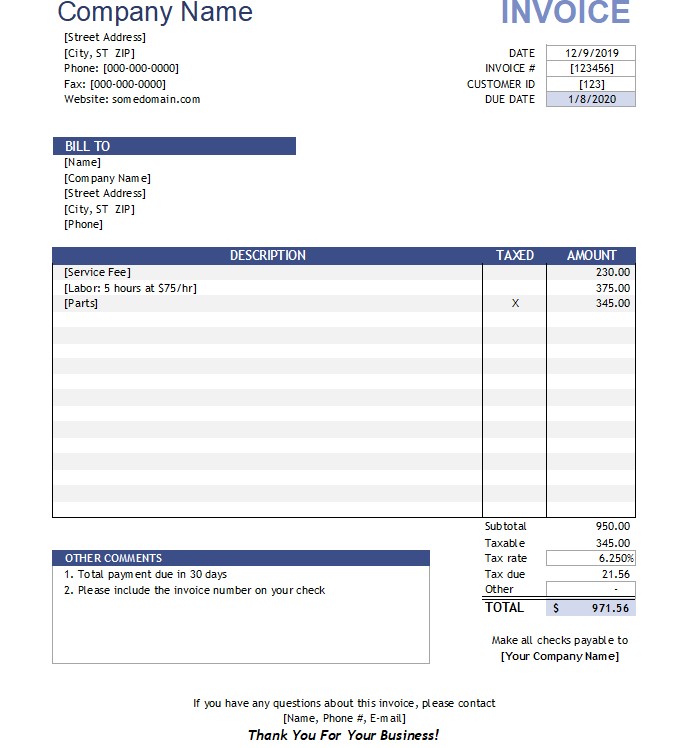
In the context of e-invoicing, these dates play a critical role for both sellers and buyers:
- Regulatory Compliance: Governments often require accurate reporting of invoice dates for GST or VAT purposes. Incorrect dates can lead to penalties.
- Automated Accounting: Modern accounting systems use invoice dates to automate ledger entries, aging reports, and reconciliation.
- Cash Flow Management: Knowing the due date allows businesses to plan their finances and avoid liquidity issues.
- Dispute Resolution: Accurate dates prevent disputes regarding late or early payments.
- Credit Management: Due dates influence credit terms and working capital decisions for businesses.
Best Practices for Managing Invoice and Due Dates in E-Invoicing
- Clearly Define Payment Terms: Ensure that terms like Net 30, Net 45, or custom deadlines are clearly stated on the e-invoice.
- Automate Calculations: Use e-invoicing software to automatically calculate due dates based on invoice dates and payment terms.
- Communicate Promptly: Share invoices immediately after generation to avoid delays in payments.
- Monitor Aging Reports: Regularly track outstanding invoices to ensure timely follow-ups before due dates.
- Reconcile Periodically: Ensure that the invoice dates and due dates match accounting entries to avoid discrepancies.
Common Mistakes Businesses Make
- Confusing Invoice Date with Due Date: Treating them as the same can cause cash flow mismanagement.
- Not Accounting for Holidays or Weekends: Due dates falling on non-working days should be adjusted.
- Ignoring Early Payment Discounts: Some invoices offer discounts for early payment, which can be overlooked if due dates are mismanaged.
- Manual Errors: In manual invoicing, incorrect dates are common; automation reduces errors significantly.
Understanding the difference between invoice date and due date is fundamental for accurate accounting, smooth cash flow, and regulatory compliance. While the invoice date marks the official issuance of the bill, the due date defines the timeline for payment. In the era of e-invoices, clear communication, automation, and proper management of these dates can prevent disputes, enhance financial planning, and ensure your business runs efficiently.
By paying attention to these dates, businesses can not only maintain compliance but also build stronger relationships with clients and suppliers through timely payments and transparent transactions.